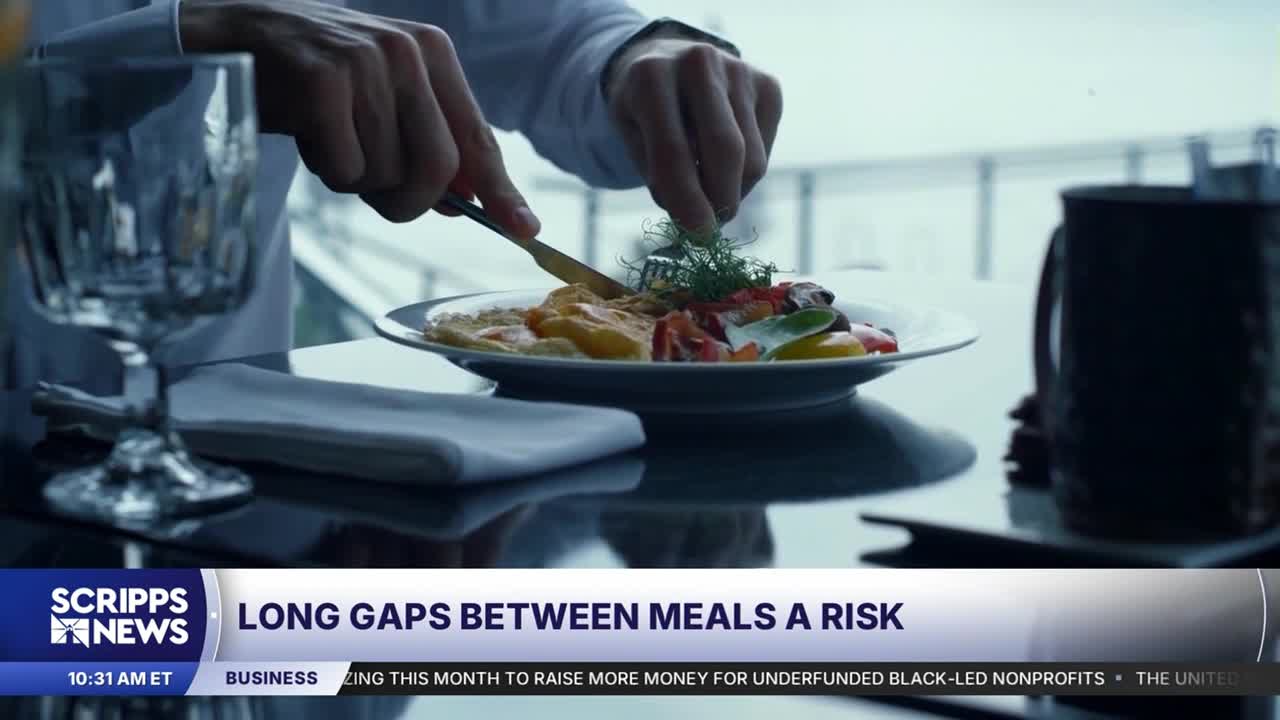


A study of older adults indicated it might not be a good idea to wait too long to eat.
In the study by the Karolinska Institutet, published in the Journal of Internal Medicine, those who had longer periods between meals accumulated chronic diseases more rapidly than those with shorter intervals.
The study indicated this trend was more pronounced among those older than 78. Researchers did not find the same correlation among adults younger than 78.
Intermittent fasting has long been used to help people limit calories and reduce body fat. While reducing body fat can help prevent chronic disease, the risks may outweigh the benefits for older adults.
The study examined the risk of chronic diseases among adults 60 and older who went 14 to 24 hours between meals compared with those who ate every six to 11.5 hours.
RELATED STORY | Researchers test GLP-1 medications as possible treatment for opioid addiction
The study noted that those who waited at least 14 hours between meals tended to eat fewer meals per day and consume fewer calories. They also were less likely to exercise.
“Much of the research on fasting has been conducted in younger or middle-aged populations. Our findings suggest that the associations may be different in older adults, particularly among the oldest age groups,” said Adrián Carballo Casla, the study’s last author.
The study was unable to determine why those older than 78 who waited longer to eat were more prone to chronic disease, while those younger than 78 did not face the same risks.
RELATED STORY | New US dietary guidelines urge more protein, fewer ultraprocessed foods