

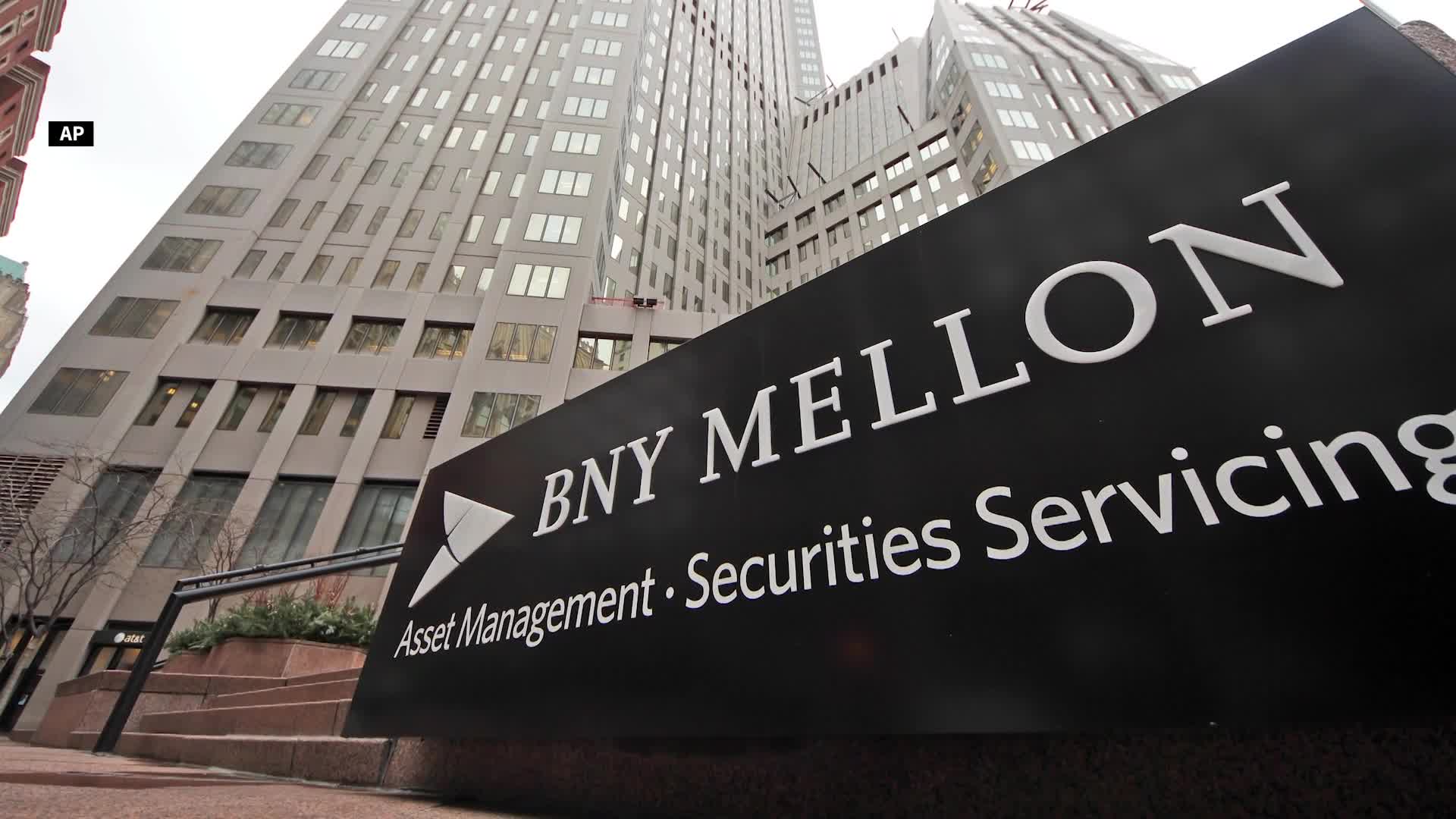


Two class-action lawsuits against Bank of America and BNY Mellon could shed new light on how convicted sex trafficker Jeffrey Epstein allegedly financed his abuse network, and the role major financial institutions may have played in enabling it.
The lawsuits, filed by an anonymous Jane Doe plaintiff, accuse the banks of ignoring red flags, failing to report suspicious transactions and, in doing so, providing Epstein with the financial infrastructure needed to sustain his operation.
However, at a motions hearing Monday, a federal judge expressed skepticism, suggesting he may dismiss them before they go to trial unless the lawyers revise their cases with more specific details about their allegations.
RELATED STORY | Lawmakers threaten legal action over delayed Epstein files release
The lawsuit against Bank of America alleges the company "knowingly provided the financial support and the veneer of institutional legitimacy" that allowed Epstein to operate under the "guise" of legitimate business activity.
The complaint claims the bank failed to file required Suspicious Activity Reports, or SARs, despite signs that Epstein’s financial behavior warranted closer scrutiny. The lawsuit describes that failure as "wrongful and purposeful."
Trial attorney Stacy Schneider, who is not involved in the case, told Scripps News in an interview that excessive cash withdrawals are a well-known trigger for mandatory reporting under federal banking regulations.
"Jeffrey Epstein apparently had so many excessive high cash withdrawals that it was causing some suspicion with the banks," Schneider said. "And what happens when someone is doing excessive cash withdrawals is the bank is required to file an SAR, which is a suspicious activity report."
A separate class-action lawsuit against BNY Mellon makes similar allegations, asserting the bank had a "plethora of information" about Epstein's operation.
EPSTEIN TIMELINE | From arrest and death to push for public release of DOJ files
The filing claims Epstein's crimes were enabled not only by his personal wealth and influence, but through "access to funding and financial support from both individuals and institutions, including B-N-Y."
"The bank could face severe penalties from the federal government for not doing proper reporting of suspicious activity," Schneider told Scripps News. "But proving what was suspicious and what isn't suspicious is done by a case-by-case basis."
Both Bank of America and BNY Mellon have asked a federal judge to dismiss the lawsuits, calling the claims “threadbare and meritless.”
The cases come amid mounting scrutiny of Wall Street’s past relationships with Epstein, who died by suicide in jail in 2019 while awaiting trial on federal sex trafficking charges.
The recent litigation follows major settlements by other financial institutions accused of overlooking Epstein’s conduct.
JPMorgan Chase agreed last year to pay $290 million to sexual abuse survivors who alleged the bank ignored warnings about Epstein’s behavior, though the bank did not admit wrongdoing as part of the settlement.
Deutsche Bank also reached a $75 million settlement, acknowledging it made a "critical mistake" in taking Epstein on as a client.
The House Judiciary Committee has contacted JPMorgan Chase, Deutsche Bank, Bank of America and BNY Mellon, demanding financial records related to Epstein’s accounts and transactions. Lawmakers allege the banks failed to take action for years, even as warning signs mounted.
A source familiar with the investigation confirmed to Scripps News that the Committee did receive responses from each bank, though they were largely non-responsive to the Committee’s questions. When pressed about whether they would provide documents, the banks either refused to answer or declined to do so absent a subpoena.
Committee Ranking Member Rep. Jamie Raskin, D-MD, says obtaining the records is critical to understanding the full scope of what happened and whether accountability has been avoided.
"We've got to get those financial records," he said on a recent Oversight Committee Democrats YouTube video. "The reason it's important is because this is an ongoing cover up of crimes that took place and, for all we know, are still taking place."


