


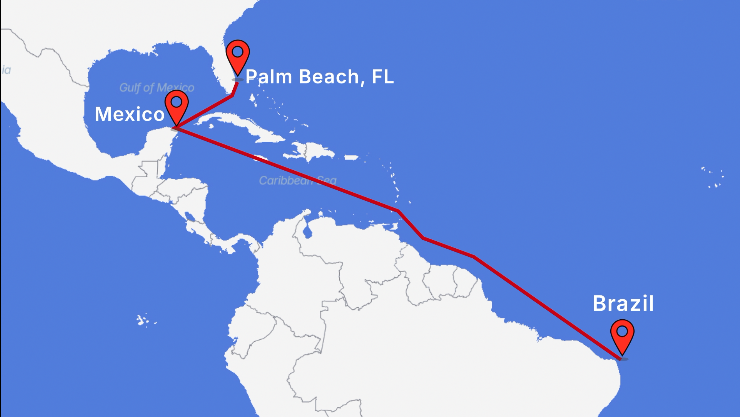
Oil from a massive 2019 spill along Brazil's coastline traveled more than 5,200 miles across the Atlantic Ocean before washing up on the shores of Palm Beach, Florida, according to a newly published study.
Researchers at Woods Hole Oceanographic Institution in Massachusetts used advanced chemical fingerprinting and ocean current modeling to trace black, sticky residue found on Palm Beach debris back to the Brazilian spill. The study describes oil hitchhiking on plastic debris as an emerging form of pollution.
WATCH COVERAGE BELOW:
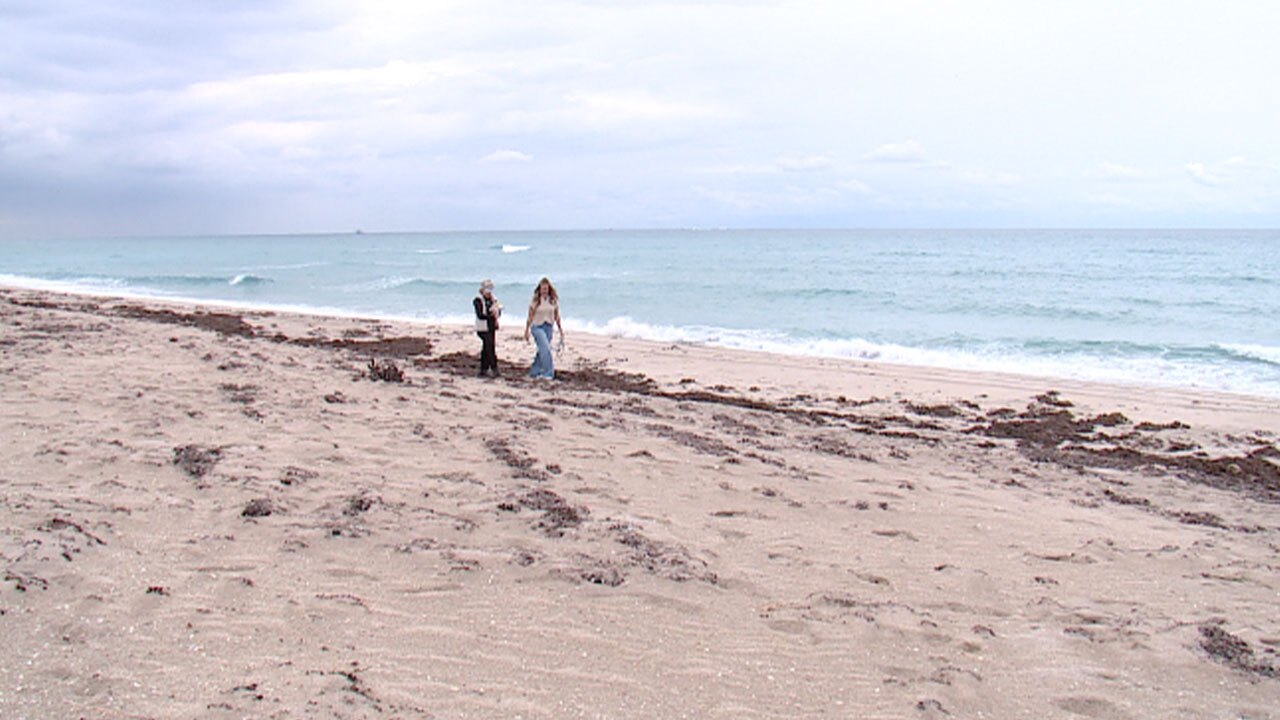
The discovery began with Diane Buhler, founder of Friends of Palm Beach, who has walked the same stretch of Palm Beach shoreline for more than 10 years, documenting what the tides leave behind.
In 2019, something unusual began appearing.
"It was like wait, photographs just started getting full of items covered in oil," Buhler said.
Black, sticky residue coated plastic bottles, glass containers and rubber fragments. With no local spill reported, Buhler began posting what she was finding to social media — and those posts caught the attention of chemical oceanographer Chris Reddy.
"I study oil spills from around the world and I often work on mysteries," Reddy said. "I reached out to 'Friends of Palm Beach,' and that's how it started."
RELATED STORY |Trump admin plans for new oil drilling off coasts of California and Florida
Buhler sent Reddy the debris she had collected. His team's analysis traced the oil to the 2019 Brazil spill, which affected an enormous stretch of coastline.
"The Brazilian coastline from about the same distance as Jacksonville, Florida, to Portland, Maine, was mysteriously oiled. The whole coastline, and the source has yet to be identified," Reddy said.
Reddy said oil typically breaks down within a few hundred miles of a spill source due to sunlight and microbes. In this case, however, the oil clung to plastic debris, allowing it to drift for an estimated 240 days across more than 5,200 miles.
"Some of that oil was on plastic debris that came ashore in Palm Beach eight months later," Reddy said.
Reddy said Palm Beach is uniquely positioned to receive debris carried by ocean currents from around the world.
"Floating debris from western Africa could come ashore in Palm Beach, Florida. The way the ocean currents move along on this kind of conveyor belt on the surface, you know, south east Florida happens to be a place where the currents bring it by and the wind is always blowing onshore, as you know and so it catches right there," Reddy said.
For Buhler, years of beach cleanups have now contributed to a scientific discovery.
RELATED STORY | Cargo ship carrying 3,000 vehicles sinks off the coast of Alaska
"We at least now know where it stemmed from. And the amazing part is that it traveled 5,000 miles to come to little old me," Buhler said.
Buhler said the finding adds deeper meaning to each beach sweep — in what she describes as an otherwise never-ending mission.
"We really live in one ocean, that the oceans are connected, and our activities in one area can certainly be felt in another," Buhler said.
The full study is available here.


