

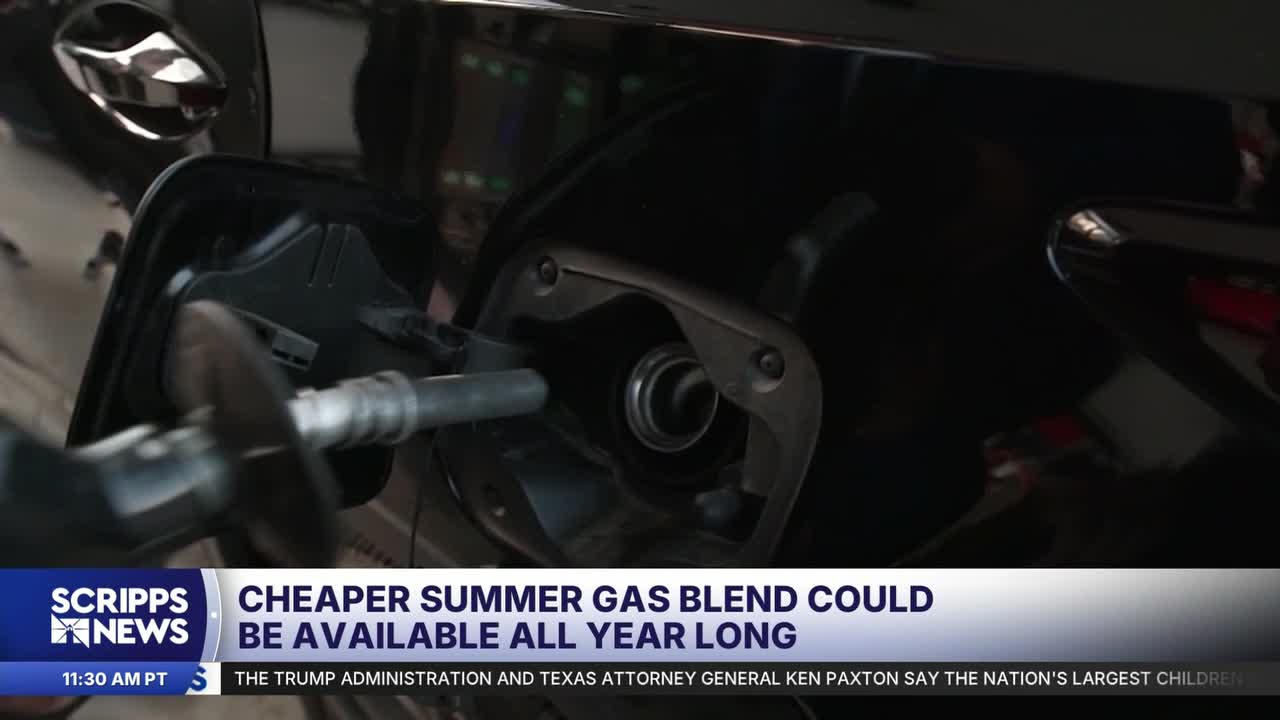


E15 fuel, which can shave 20 to 40 cents off a gallon’s price, could soon be available year-round under a bill passed by the U.S. House this week.
Lawmakers this week passed a proposal allowing blended gas, known as E15, to be sold year-round nationwide. E15 contains up to 15% ethanol and is generally restricted during summer months due to federal smog regulations.
E15 is still mostly gasoline, but the ethanol content generally lowers prices by 20 to 40 cents per gallon, according to the Renewable Fuels Association.
The Nationwide Consumer and Fuel Retailer Choice Act passed the House 218-203, with 122 Republicans, 95 Democrats and one independent voting in favor. The split was more geographical than partisan, as members from oil-producing states were less likely to support the bill than those from the Corn Belt.
The bill still requires Senate approval and the president's signature.
RELATED STORY | With high gas prices, what Congress and states could do to give drivers relief
The measure would make permanent a proposed Environmental Protection Agency rule. In March, the EPA granted emergency waivers allowing stations nationwide to sell E15 from May 1 to May 20. However, the agency can grant waivers for only 20 days at a time.
“At a time of extreme market volatility and higher costs, this bill provides badly needed certainty for fuel retailers, oil refiners, ethanol producers and consumers alike,” Renewable Fuels Association President and CEO Geoff Cooper said. “The legislation gives Americans the freedom to choose E15 and removes three decades of red tape that had stifled competition and choice in the marketplace.”
Critics say the bill could threaten small refineries under changes to the Renewable Fuel Standard. Currently, small refineries can seek exemptions from the renewable volume obligation, which requires fuel to include renewable sources such as animal fats, vegetable oil, crop and forest residues, and corn or other starches. Those exemptions go away under this bill.
Motorcycles; vehicles with heavy-duty engines, such as school buses and delivery trucks; off-road vehicles, such as boats and snowmobiles; engines in off-road equipment, such as chain saws and gasoline lawn mowers; and conventional vehicles manufactured before 2001 cannot use E15.
RELATED STORY | Gas prices are driving a new interest in EVs, retailers say
Fuel economy is generally lower with E15 compared to gasoline, the EPA says. Ethanol contains less energy than gas, meaning it takes more ethanol to match the same energy output. Most gasoline sold in the U.S. contains about 10% ethanol, so switching to E15 generally results in a 1% to 2% drop in fuel efficiency compared to standard gas blends.


