



Norovirus is showing up at high levels across much of the country.
The highly contagious virus can spread quickly in communities, especially where people gather closely together.
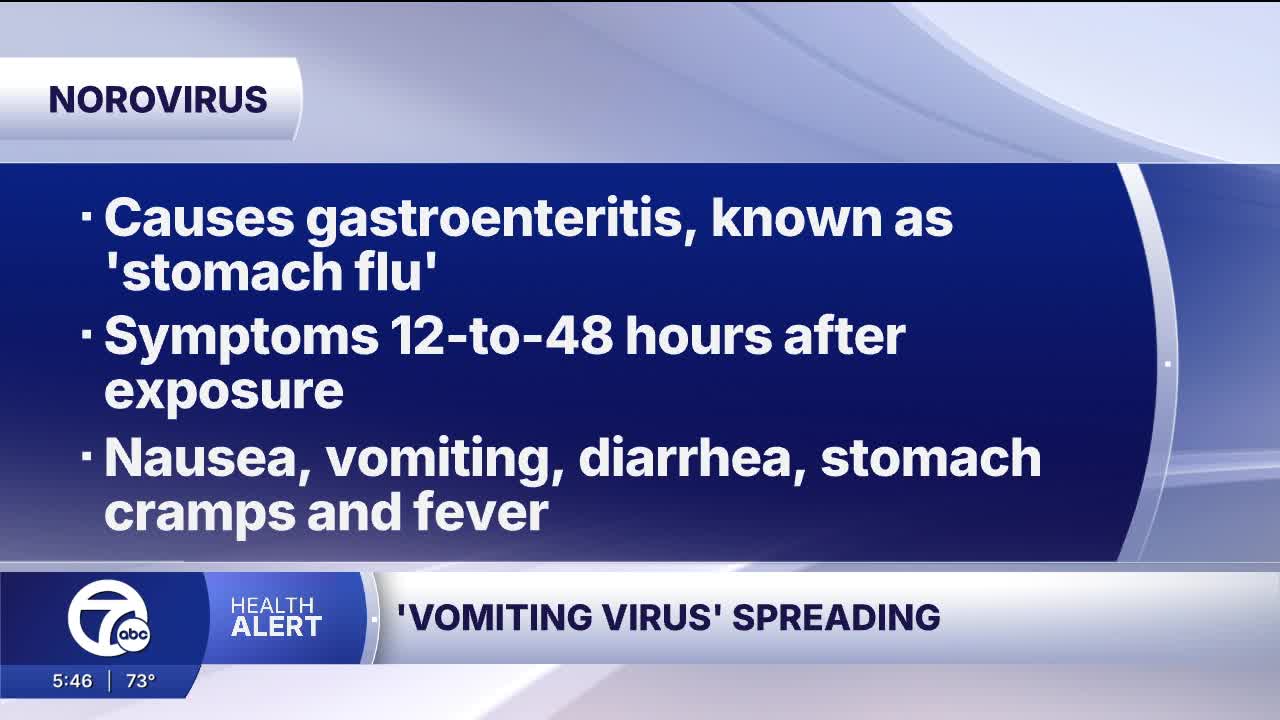
Many people think of norovirus as a winter illness, but cases can spike in spring too. The bug causes gastroenteritis, which is inflammation of the stomach and intestines. Patients often call it the "stomach flu," although it's not related to influenza.
IN CASE YOU MISSED IT | High tick risk this June across 10 states sparks Lyme disease concerns
Symptoms usually begin within 12 to 48 hours after exposure and can include nausea, vomiting, diarrhea, stomach cramps and sometimes a low-grade fever.
The virus spreads through contaminated food or water, contact with infected people or by touching contaminated surfaces and then touching the mouth. In fact, norovirus is considered one of the most contagious known viruses. On average, an infected person can infect up to seven other people.
The Centers for Disease Control and Prevention's outbreak tracking system recorded nearly 1,200 outbreaks from August through early May. That’s lower than the same period last year, but many cases go unreported because most people recover at home. That’s where wastewater surveillance comes in. It can help public health officials track how widely the virus is spreading.
Right now, data show norovirus activity remains in the high range across much of the country, with levels staying elevated throughout the past three weeks.
RELATED STORY | Cruise passengers isolated after hantavirus outbreak allowed to leave quarantine facility
Multiple norovirus strains are currently spreading. That includes the long-standing GII.4 strain, which many of us have been exposed to, and a newer variant, GII.17. The good news is that there's no evidence that the newer strain causes more severe illness.
It can spread more easily because fewer folks have built up immunity to it.
As for prevention, people should wash their hands thoroughly with soap and water, especially after using the restroom and before eating or preparing food. It’s also important to disinfect contaminated surfaces, wash fruits and vegetables, cook seafood thoroughly and avoid preparing food for others if you’re sick.
For those who do become infected, there is no specific treatment, but oral rehydration fluids are recommended. Most people recover within a few days. But the illness can be especially serious for young children, older adults and anyone who becomes dehydrated. If symptoms are severe or dehydration develops, seek medical attention promptly.


