



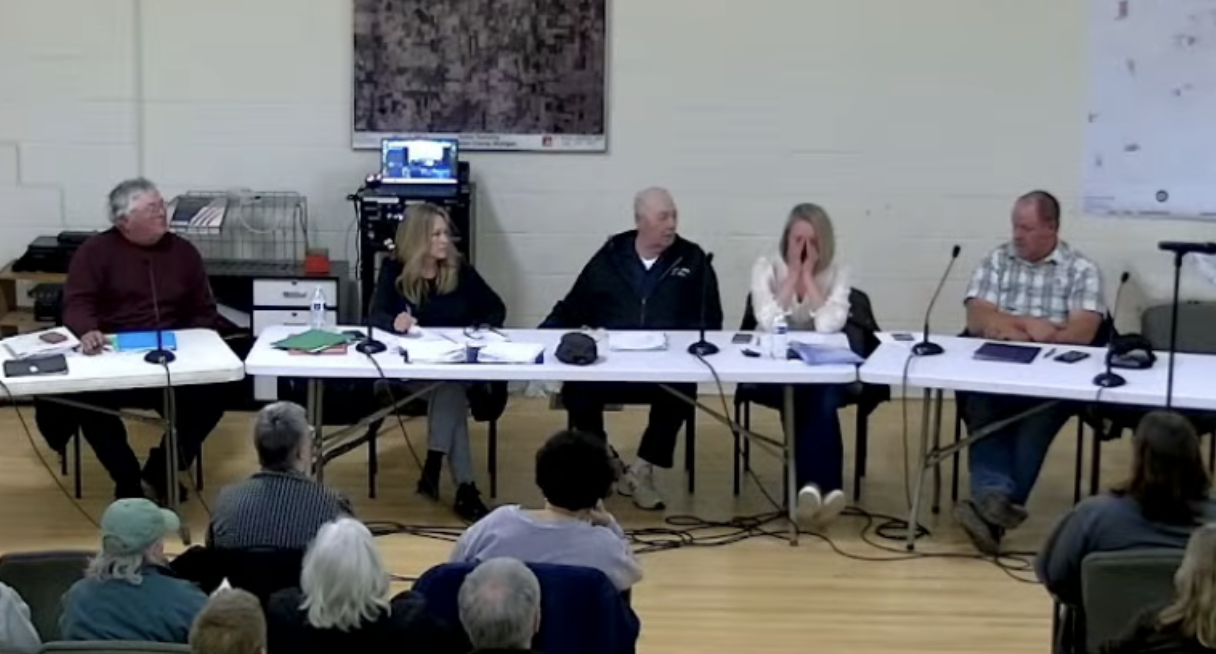
A small town hall in Michigan found itself with inboxes full of vitriolic emails and voicemails from people all over the country this summer.
Town leaders were told, in message after message, they were traitors, liars, and thieves who should rot in hell. Their family members were ugly. They were monsters. They should be gutted like pigs and dismembered. If heaven is real, one caller said, the leaders of Tyrone Township wouldn’t be going there.
The messages suggested town leaders had sold out their community’s future to data center developers and would destroy the local environment. But township leaders say they had no data center in development, and had a moratorium in place that applied to such projects.
“It has definitely been a roller coaster,” township supervisor Greg Carnes told Scripps News Group. “It’s making public officials and township employees fearful, because of the mob mentality.”
The trouble started when a video clip from one of their public meetings caught fire online, showing Carnes and other officials refusing to answer if they had signed non-disclosure agreements with any developer. Carnes said he refused in an attempt to keep order in the meeting and avoid turning the public comment period into a question-and-answer session.
When asked by Scripps News Group if anything could have been done differently to avoid the backlash, Carnes answered, “I guess we could have all answered the question, and said no, we haven’t signed NDAs.”
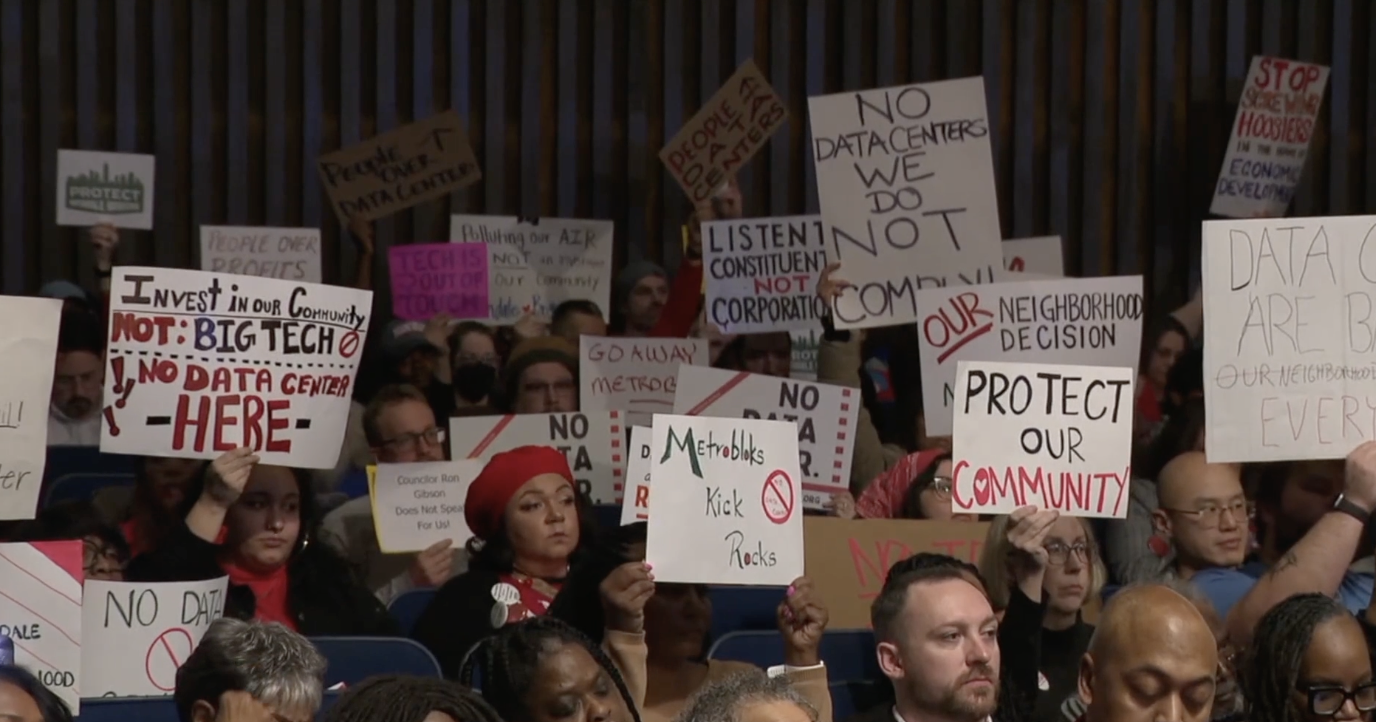
Data center debates in communities like Tyrone Township and across the country are boiling over into arrests and perceived threats, sometimes fueled by online misinformation and misunderstandings, other times fueled simply by strong community opposition to real proposals.
Scripps News Group gathered police reports, videos, emails, and voicemail recordings from across the country, documenting the data center backlash. People on all sides of the debate say they feel feel targeted, and experts worry threats of political violence may continue to escalate if citizens feel their questions are not being answered by the people in power.
Government and business leaders report threats
Scripps News Group found examples all over the country of local government leaders expressing fear for their safety because of the data center backlash.
In Michigan’s Saline Township, the treasurer tearfully announced her resignation at a public meeting, citing threats over a new data center being built in the community.
“You all deserve premature early death for what you’re doing, building a data center,” one caller said in a voicemail obtained by Scripps News Group.
Two Illinois men were arrested, in separate incidents, and charged with making threats on Facebook while expressing their opposition to local proposals.
In Indianapolis, councilman Ron Gibson said he awoke in April to find bullet holes in his door and a note at his front porch that said, “No data centers,” after he publicly supported a proposed project. No one has been arrested for the incident.
Local elected leaders are especially vulnerable to potential political violence around this issue, said Yannick Veilleux-Lepage, a Canadian researcher and professor who studies terrorism and recently wrote about the potential for increased anti-AI violence.

In some communities, government and business leaders have reported being threatened even when there is no data center project planned.
In California, Mt. Shasta police said in June city leaders received threats of violence because of a “rumored data center” the city had “no interest in pursuing.”
Elsewhere in California, Mario Crncic, a construction company owner, became a target because people mistakenly believed his crew was building a data center in Cathedral City. In fact, he says, they were working on a housing tract.
“I started getting calls at two o’clock, three o’clock in the morning, cussing me out… one guy said he hopes my wife gets raped for what I’m doing to the public, and for what I’m doing to the environment,” Crncic said.
Cathedral City officials have said there are no plans to construct a data center there.
Citizens arrested while participating in public meetings
Experts are also warning about the implications of another troubling trend around the data center debate: citizens trying to speak out about proposals and being removed from public meetings by police.
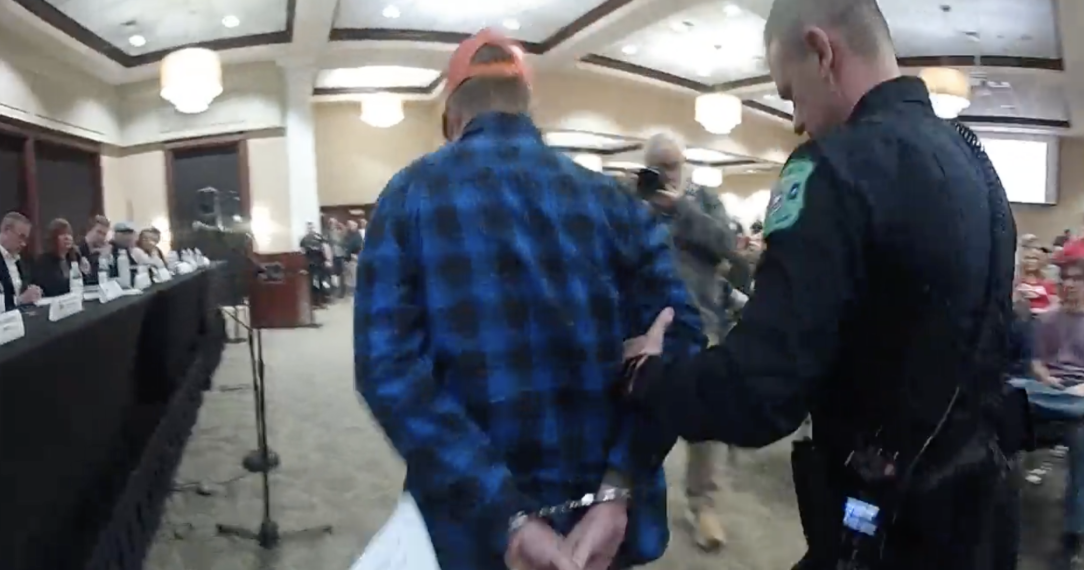
Video from Emporia, Kansas of a local teacher being carried out of a city commission meeting by police drew outrage online.
Police removed the teacher for clapping from the audience after others spoke. Commission members had warned the audience to stay quiet and avoid disruptions.
After the incident, Emporia city leaders began holding subsequent meetings virtually, and recently released dozens of examples from the onslaught of messages they’ve received in the wake of the clapping incident.
“The communications range from questions and criticism to profanity and violent and threatening language,” city manager Trey Cocking said.
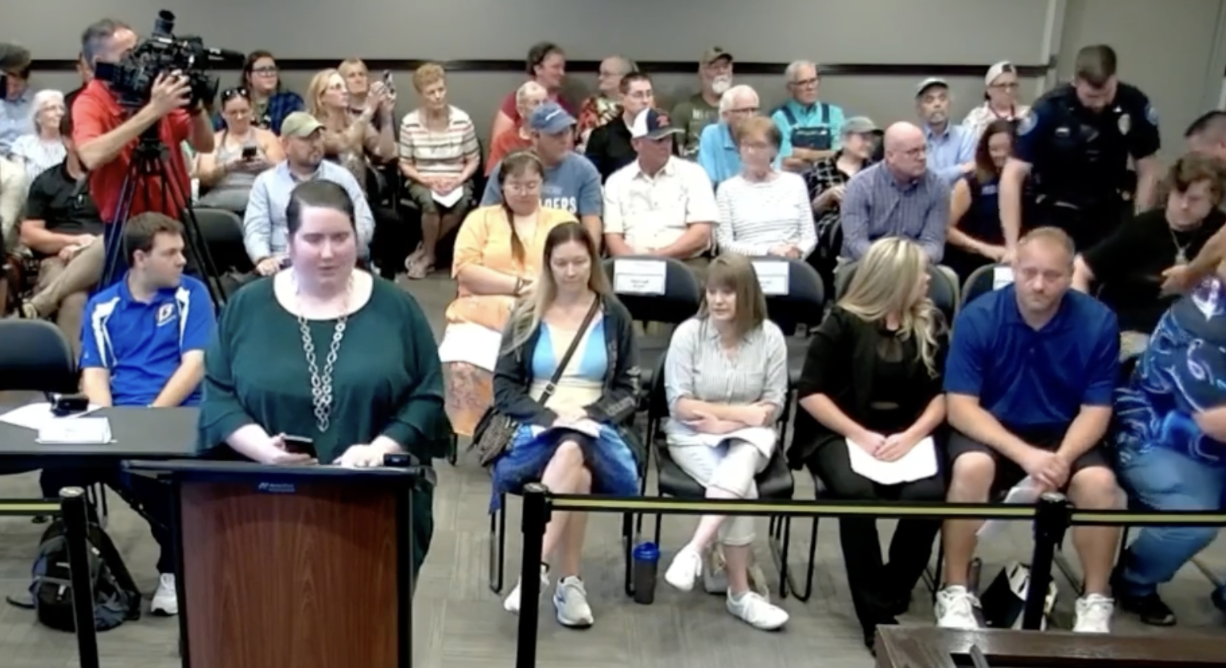
Veilleux-Lepage said it’s a problem when people begin to believe their voices will not be heard by their elected leaders.
“When I see somebody in a council meeting clapping enthusiastically and being arrested, I look at this as a failure,” Veilleux-Lepage said. “Once you start abolishing the legitimate means for grievances to be heard, people resort to political violence.”
“I think a lot of the grievances and a lot of the skepticism toward data centers or rapid deployment of AI are entirely grounded, and they’re valid criticism,” he said.
He said his work is “a plea on both sides” for how future unrest may be avoided. Veilleux-Lepage said local activists should guard against fringe members who may resort to violence, and law enforcement and community leaders should be careful not to shut down voices of community opposition.
“It’s very important that they make a very clear distinction between people that are AI skeptics, people that don’t want a data center in their community, and are trying to fight this deployment through legal and legitimate means, and those who are resorting to violence. And not to conflate both together,” he said.


