

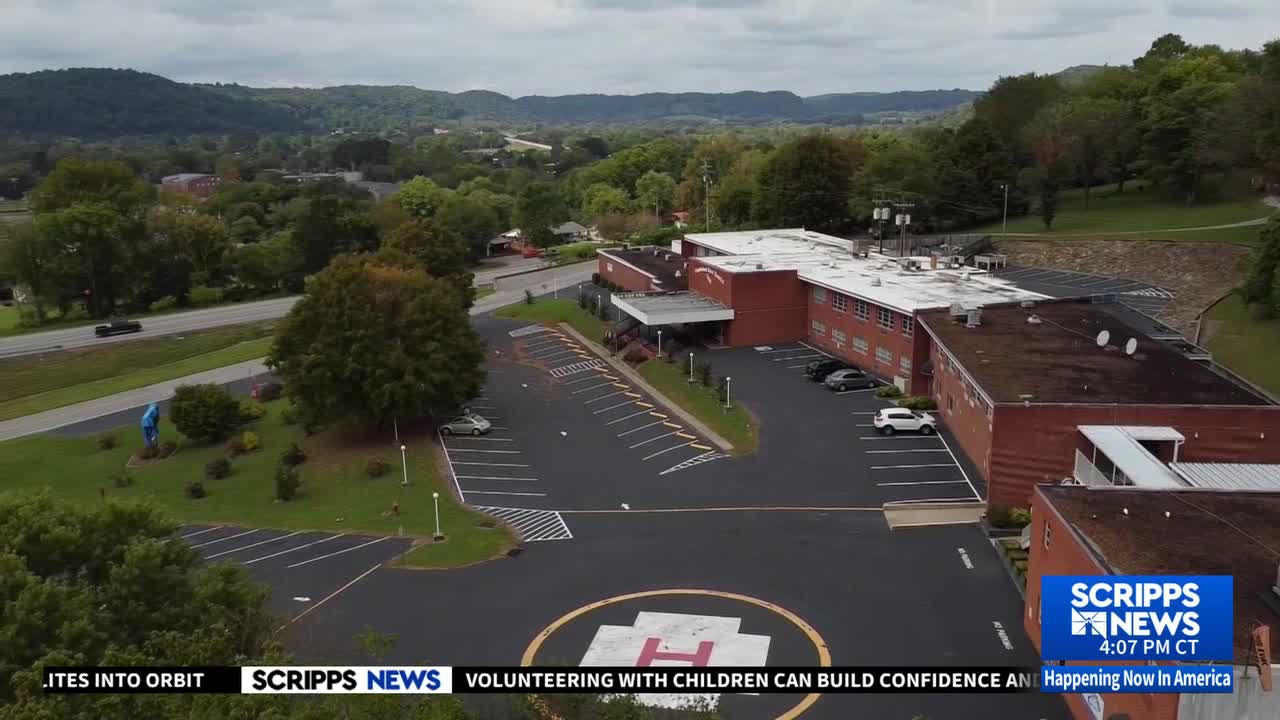


All 50 states will receive grants under the Centers for Medicare and Medicaid Services (CMS) new Rural Health Transformation Program designed to modernize health care in rural communities.
CMS Administrator Dr. Mehmet Oz spoke with the Scripps News Group about this new $50 billion initiative from the Trump administration that he said will impact over 60 million Americans.
"We want the money to be used to change the way we envision health care in rural America, not just to pay bills on programs getting created 60-70 years ago that don't seem to be working," said Oz.
WATCH | Centers for Medicare and Medicaid Services says Rural Health Transformation Program will help all states
RELATED STORY | House members leave DC for the year without a deal to extend ACA subsidies
On average, each state will receive $200 million to "strengthen the rural health workforce, modernize rural facilities and technology, and support innovative models that bring high-quality care closer to home." However, officials said the first-year awards for each state will range between $145 millon to $280 million.
Oz said, "This is not just about throwing more money at the problem; it's about addressing the root cause of these issues."
He added that there's a large emphasis on updating and modernizing technologies used at rural hospitals and doctors' offices.
"For example, a lot of smaller hospitals have trouble keeping up with the costs of bringing data systems into their institution. We don't have the information networks that link up doctors' offices and hospitals and insurance companies well," said Oz. "So oftentimes, there will be illnesses that we're not finding until later on and we're not treating them as effectively."
Officials said the grants would allow states to offer more mental health and substance abuse services that are critically lacking in rural areas — specifically more certified community behavioral health clinics.
The program wants states to expand more affordable treatment alternatives, like shifting from emergency care to more "treat-in-place" options that would save on costly ambulance and emergency room visits or even telehealth options.
CMS said the program will provide the grants to "approved states" over five fiscal years. Half of the funding will be distributed equally among states, the announcement said. The other half of the funding will be allocated based on a variety of factors, the agency said.
"As described in the notice of funding opportunity, those factors include individual state metrics around rurality and a state’s rural health system, current or proposed state policy actions that enhance access and quality of care in rural communities, and application initiatives or activities that reflect the greatest potential for, and scale of, impact on the health of rural communities," the announcement stated.
RELATED STORY | Pediatricians group sues federal government over cuts to child health funding
The scoring system will be renewed each year.
Oz said they challenged states to come up with ideas for addressing their unique rural health care challenges as part of the process.
"And we had some wonderful ideas, including, for example, in Alaska, which is a big state, it's hard to deliver medications. They're going to use drones to do that. In some parts of the southeast, they want to use robotic ultrasound devices to see how a pregnant woman is doing if she lives in a rural area and can't get to a doctor. These ideas were an effort by us to pull out the best thoughts possible, and it's working," he said.


